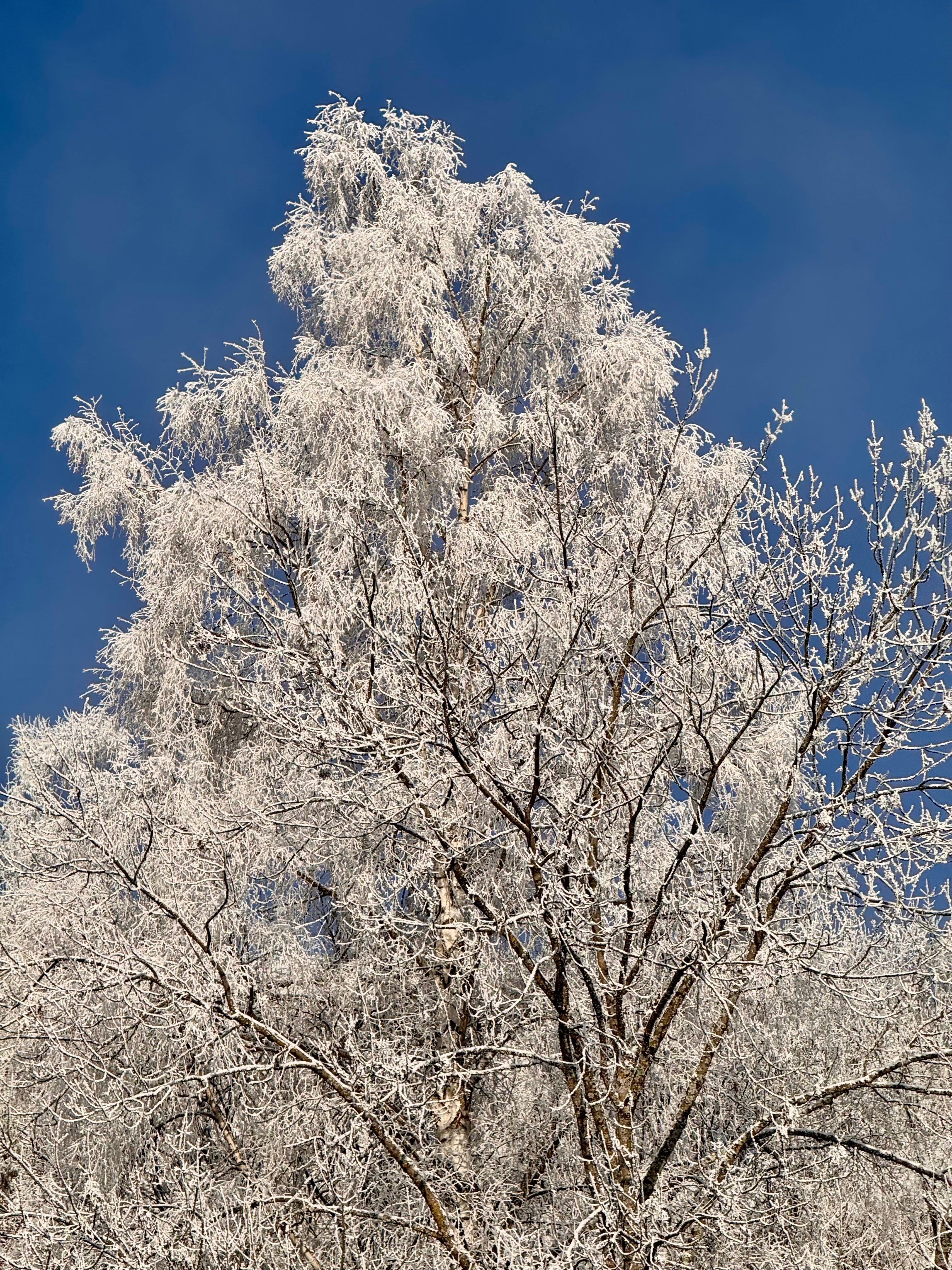
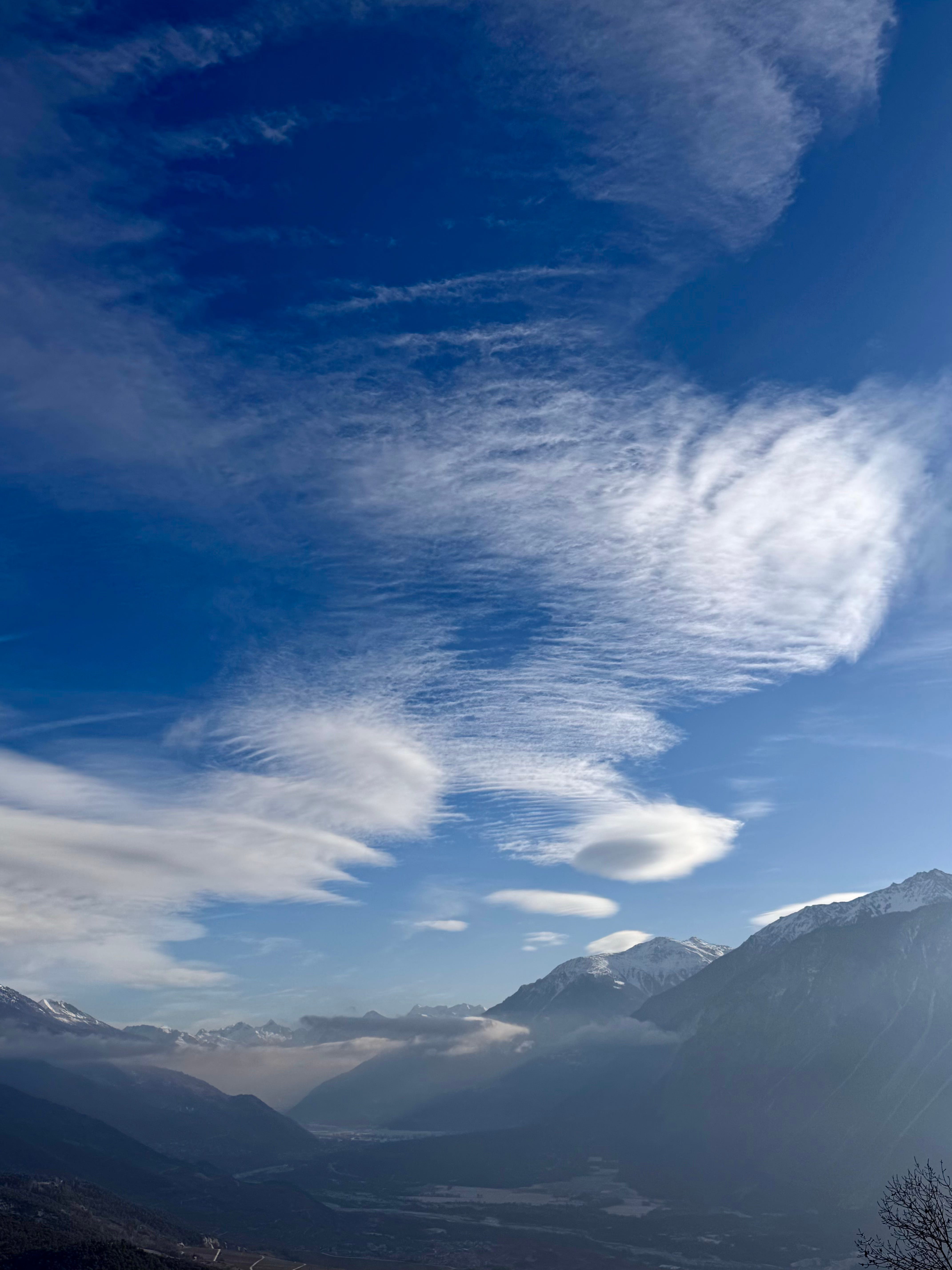
Timelessness
Related story: Who owns the night sky? A longer essay on finding solace in the stars, published on Medium. (You may use this gift link to pass the paywall)
Please take a moment out of your busy lives to honour the 40 young people who died in my village, Crans-Montana, 10 days ago, and for the 116 who are injured, some of them still fighting for their lives, many of them with critical injuries from burns and smoke inhalation. Their families and friends are beginning a long and very difficult journey as the official national period of mourning ends; please send them hope for the strength they will need.
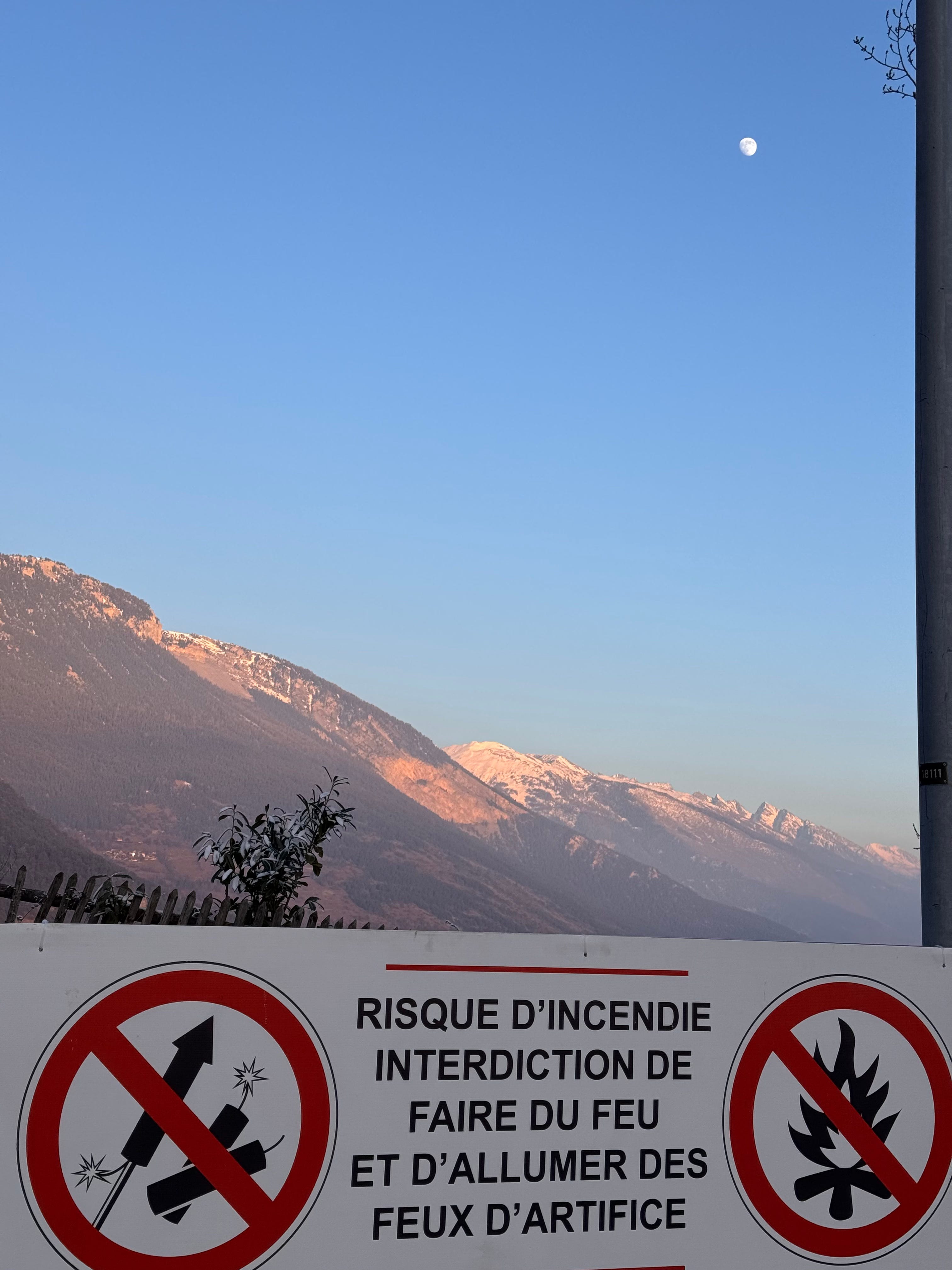
When fire broke out in the wee hours of 1 January we had finished celebrating New Year’s Eve, but in the village centre people, especially the young, were still partying. The daughter of a neighbour had friends for dinner and they were getting ready to leave when one of them, a volunteer fireman, received an urgent message. No one was surprised: a couple of days earlier the fire department had set out signs everywhere, one in front of my house, saying that fireworks are banned for the holiday because the canton is still suffering from drought. Despite that, we’d all seen and heard small fireworks and knew the firefighters and police would be busy chasing offenders. I live in a wooden chalet and nearby is a barn filled with hay, as most are in winter—I’m all for respecting the ban.
It’s unlikely you haven’t heard about the fire at the Constellation bar, so I won’t repeat the details, although I would like to point out that much of the reporting in foreign media has incorrect details about the drinking age(s) rules here, safety regulations and more. The BBC in particular, which ought to know better, doesn’t appear to have sent their (too old) reporter from eastern Switzerland to Valais to assess the mood on the day of the memorial service, and what she wrote corresponds to nothing I see or hear, personally or in official reports or media reports in French, our local language.
Clearly, several things went wrong. Sadness and sorrow for those lost and injured runs deep—everyone knows someone involved (my garage door was made by a man who lost his daughter)—but there is a determined attitude all around me to identify the mistakes to make sure it doesn’t happen again, ever, and, (how Swiss) to do this in a methodical way so that justice is served. For the impatient, that sounds like a lack of action, which it is not. No one is shirking responsibility; the reports abroad to that effect were due to a lack of understanding of how the Swiss system works—reporters rushing to get a story, a world I recognize too easily from my 35+ years of international news reporting. For the moment, information is incomplete, and that leads to speculation, which helps no one.
The Swiss were justly praised by Italian and French officials for the rapid and orderly handling of an unimaginable catastrophe, and while people in C-M are relieved and quietly proud of this, what they talk about is gratitude to neighbouring cantons and countries for rushing to help in a situation that was immediately overwhelming. That was one of the main themes at the memorial service Friday 9 January. The other was addressed by the head of the Valais government, Matthias Reynard, who said in a voice raw with emotion that we adults have let down our young people, who should be able to count on us. Rarely have I seen so many officials with tears in their eyes.
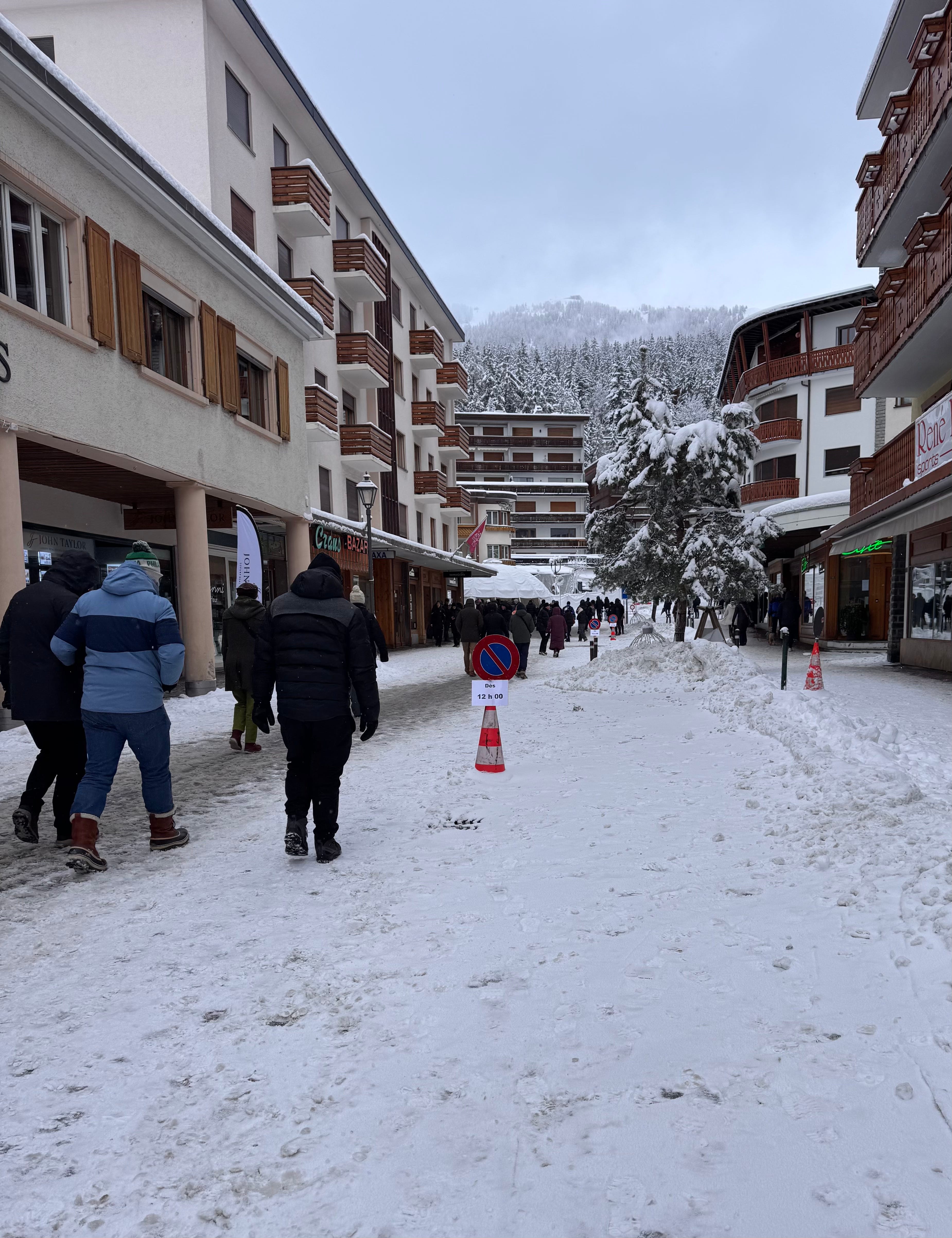
In front of me stood two groups of teenagers Friday. We were among the hundreds and hundreds who braved icy falling snow for an hour Friday, all of us motionless, soundless, cell phones put away, watching the memorial service on a large screen, needing to share with those families our “compassion, humanity and sorrow” in the face of such loss. The teenagers wrapped their arms around each other, leaned into each other, buried their faces on friends’ ski jackets. Not a single selfie was taken.
All the town’s businesses were closed to allow everyone to attend and to share the national minute of silence for the victims. There were no cafes or bars or shops open to warm chilled feet and most of us just kept walking for an hour after the ceremony, seemingly at a loss in more ways than one.
A week earlier, the morning of 2 January at 7:00, about 30 hours after the fire that consumed so many lives in the centre of Crans, the Alpine world was eerily silent. There were virtually no cars on the road, up and down the Rhone Valley. The sky was lightening, stars still bright high above us, and my heart was heavy thinking about how so many who hoped to be going skiing on this beautiful day had not lived to see the sun rise, while others, grievously injured, were lying in hospitals. Suddenly, my village church bells and others along the heights of the valley began to ring, in an ancient and unplanned show of solidarity.
Please share this moment. The bells begin after 20 seconds of near silence (the muted sound is one car about a kilometre away).
New Year’s Eve wine means traditions and stories
I hoped to write this and share it with you on the first of January, but events made that impossible. How do you write about celebrations when you’re in mourning? Yet our family themed dinner of traditions and stories that tie together generations feels all the more important knowing the losses these families are facing and how important memories will become.
When guests tolerate your love of food and wine, give them some slack
The New Year’s Eve dinner at my house this year was planned—mostly by me, the elder—to carry us into 2026 strengthening links between generations. This doesn’t happen automatically—we need to make time for it, and so we did, with some grumbling—by them, the youngers—noises about how sorting out skis was more important. My son and his small family were home and an old school friend of his came with his wife and their dog. A tired two-year-old would need to be fed, a dog calmed.
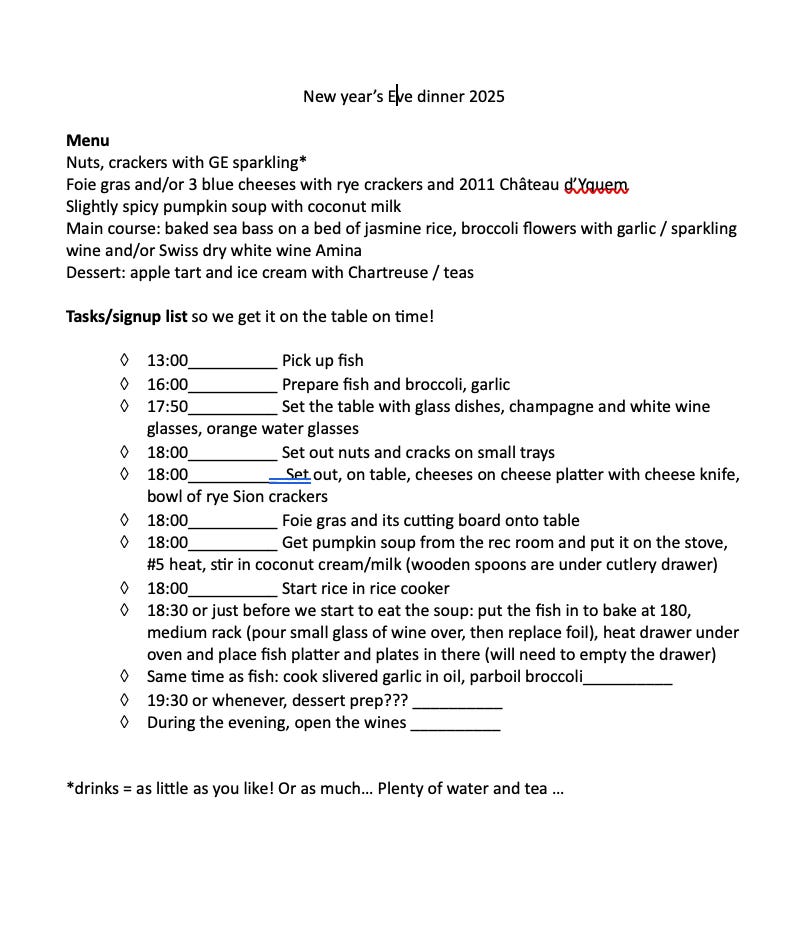
The menu and sign-up sheet was the first step. Since everyone would be skiing from 8:30 to 16:00 on their first day on the slopes, keeping it relatively simple was a must because no one would have the energy for preparations once the ski boots were parked downstairs. I’m the wine pro; they like wine but don’t want to overthink it. Ditto for the food.
We started with a sparkling wine from Geneva, in a nod to the boys’ school days near there. Jean-Michel Novelle’s (Le Grand Clos, Satigny) sparkling Pinot Noir Blanc de Noirs Brut 2019 was a hit with everyone, dry and fruity with fine bubbles, and we talked about the importance of bubbles in sparkling wines, the difference between cava and champagne and prosecco, Geneva’s vineyards and winery open days and the folly of riding bicycles when you drink too much. It’s a wine that goes well with many dishes, but we had just nuts and various olives and crackers, to get people focused on dinner without nibbling too much. When you have a young dog that has to be fed and her bed sorted out and a small boy who’s too interested in the dog to eat, you need to approach the meal with some timeframe flexibility.
Next was the pièce de résistance for me, a 2011 Château d’Yquem my husband and I bought years ago for my son to drink now. It was all I hoped it would be: rich, aromatic (notes of honey, saffron, mango, nuts), smooth, with the sweetness of Sauterne perfectly balanced. There was some discussion about why expensive wines cost what they do and fragments of market economy lessons given by my economics teacher husband to both of the “boys” when they were 17.
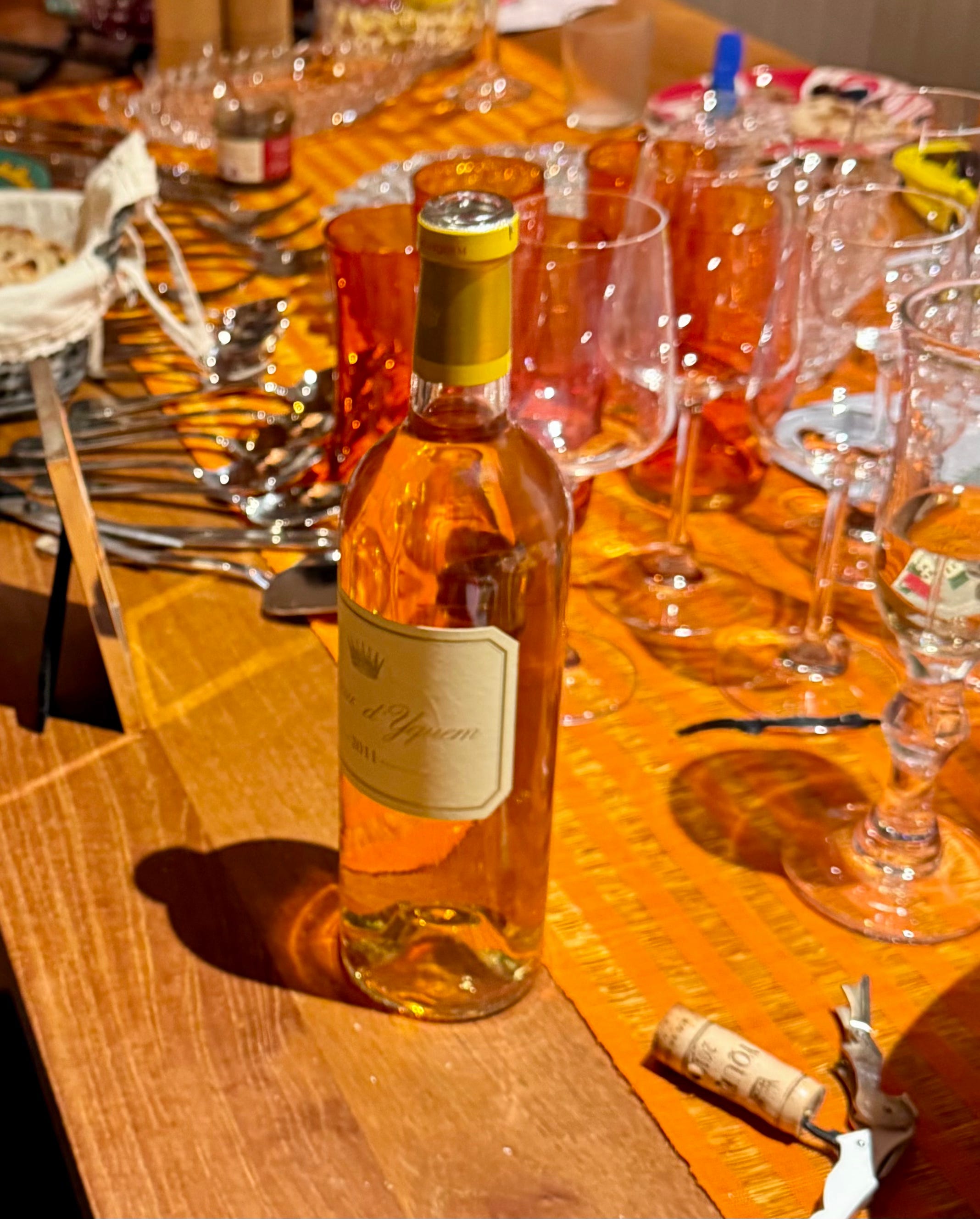
The wine was appreciated, but the experience of a rich Sauterne with sliced foie gras and four blue cheeses (Auvergne, Rocquefort, a brébis blue from the Pyrenées, British Stilton) was new to them and a bit overwhelming, so to the shock of a winemaker friend when he heard this, we did not finish the bottle. This was also an introduction to blue cheeses and their varied textures, which they knew little about. They compared the cheeses (Rocquefort the winner) and I mentioned my husband’s love of cheese, how we discovered Auvergne bleu during a trip there early in our marriage. Thanks to my alpha-gal allergy from a tick bite I can’t eat cheese so I had an extra helping of foie gras and a larger glass of Sauterne, fair enough. Nick died in 2020, so our friend took a photo of mother and son holding a photo of Nick, the bottle of French wine in front of us. We laughed and agreed it was a weird but nice photo that we’ll appreciate in the future.
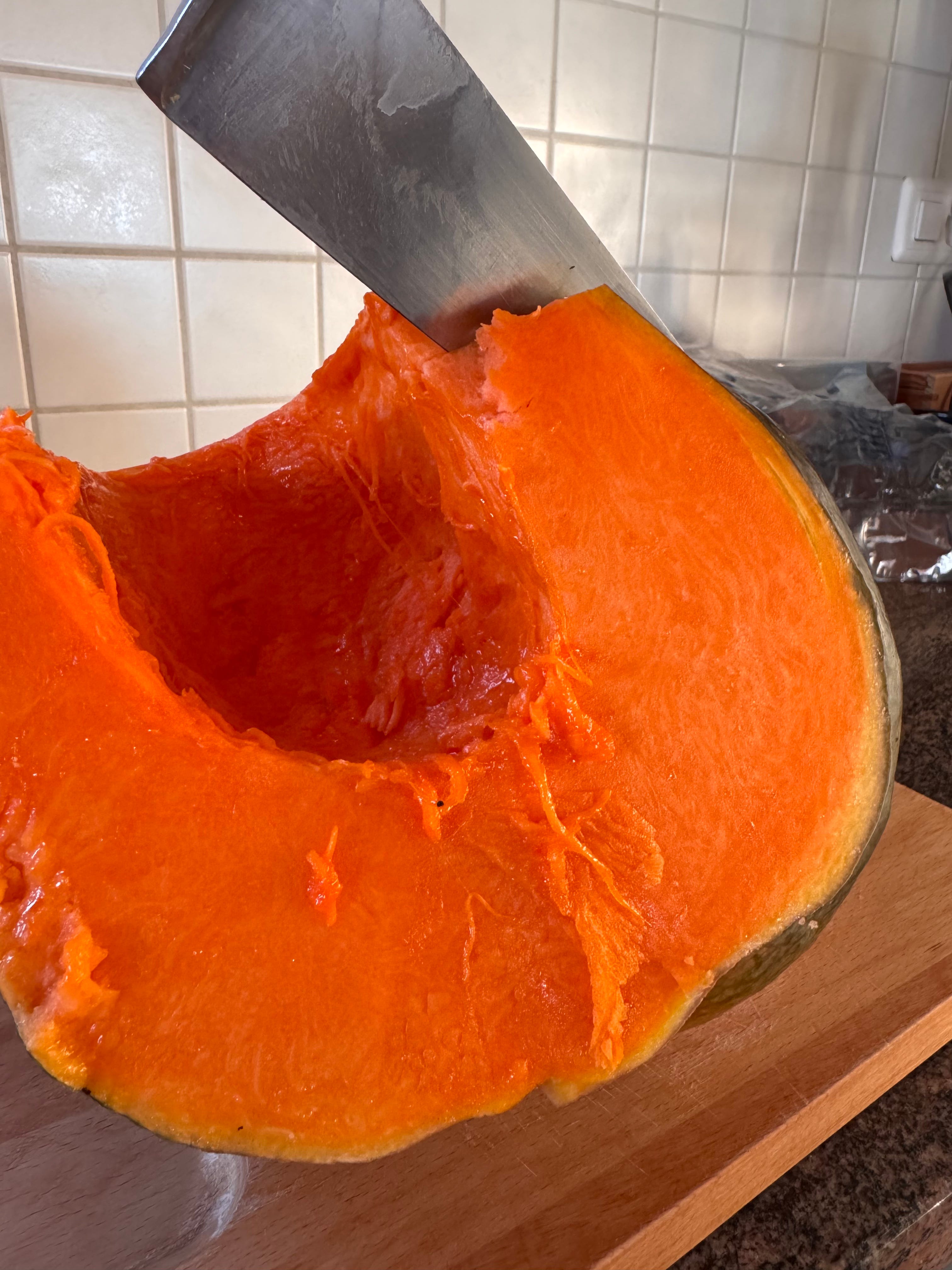
Rich food and Sauterne call for a simple dish to clear the palate and when I saw them groan at the idea of more food, I knew I was right. A spicy soup from the pride and joy of my 2025 garden was just right. The musquée de Provence pumpkin weighed at least 25 kg. One of about 20 potential slices was enough for a large pot of soup, spiced with ginger and a mildly hot red pepper, smoothed with coconut milk. No wine except for sips of the Sauterne.
Main course: two large beautiful baked bass (bar in French) fish with rice, which gave our friend a chance to recount his restaurant worker days stories after he volunteered to cut and serve it and also lift the heads and backbones so I could make soup the next day from the remains. What could a Swiss wine writer offer with fish but a white wine from Vaud with a story. The young Anima collective wine project’s first bottle, by a group of young wine professionals about the age of my small group, led us into conversations about careers people choose, entrepreneurs and the future of the wine business.
Drooping eyes and weary legs notwithstanding, someone cut the fine apple crumble our friends brought from Geneva and each brave diner was served a thimbleful of Chartreuse, with tales of my visit to the monastery near Grenoble, France for a travel magazine article long ago, about the monks and their secret herbal recipe, high in the French Alps, their beautiful silent home and how, for once, briefly, I wanted to be a man so I could live there. It nearly put my diners to sleep and by 23:00 I was alone in the kitchen and all lights elsewhere were out. It was perfect.
The wines were wonderful but the success of the dinner had much to do with the stories woven through, with each object serving as a reminder of a person or an event or an era. If I was uncertain about this, I was sure in the morning when scraps of the evening’s discussions resurfaced over coffee and Panettone.
… I wished everyone else in the world could have a few hours of New Year’s Eve like this, where past and present come together to send us into the new year with bright hopes for the future. My mother began to collect her Fostoria as a young bride in the days at the end of America’s Great Recession. She talked about the small, old houses in Clinton and Independence, her first family dinners at Christmas, Easter and Thanksgiving with these dishes. Maybe the meals varied but I would swear we always had mashed potatoes and peas, with the Easter ham and the Thanksgiving turkey. We all drank milk with the meals, in fancy goblets.
My mother had fewer than five glasses of wine in her life. I shared the first with her, from a bottle of Mateuse that my father brought home one day when I was in high school. If we had cheese, it came from nearby Wisconsin, or the boxes of Velveeta we bought regularly, part of our macaroni and cheese Friday night dinners (no meat on Fridays in that Catholic household).
The champagne glasses carried another story. They were handmade by a glassblower I knew when I lived on the west coast of Ireland decades ago. I could only afford his seconds but I love each flaw — no two glasses are alike — that shows the hard road to perfection…
from “Who owns the stars” essay. Free-read friend link at the top of this newsletter
Hiking: the perfect altitude in icy weather
Winter in the Swiss Alps has kicked in, first with a vengeance - temperatures of -10 and -11, which we rarely see at 1100 m, and then warmer days with no snow, and as of mid-week plenty of snow. And now the coming days will bring sub-zero nights and above-zero days. We’ll be walking on ice. For those of us who prefer hiking to skiing or even snowshoeing, finding a good place to walk in the mountains can be tricky. Too high and you’re into icy slopes. Too low and you get the ice and chill that comes from inversion, with too few hours of sun. The best walking trails are generally found at 500-1000m, although midday when the sun is highest I like to walk along the Rhone.
Swiss winter hiking trails are marked in pink. Most of them follow regular trails but they are selected for (and sometimes prepared for) easier access. Snowshoe trails are not groomed/cleared, as the hiking trails are. Please be sure to keep your dogs on leashes, especially in forest areas. Check MeteoSwiss for local weather forecasts, available in English.
Some suggestions for January and February:
If you haven’t yet discovered Romansh-speaking Switzerland, walking some of its trails in winter makes for a magical mini-vacation. CarsPostal has details for hikes starting from Vals (English). You can easily add in some gentle family skiing and thermal baths. SwissRando provides a handful of detailed hikes (F, G, I), all of them of average difficulty, 5-8km long, with maps.
The Bisse de Clavau in Valais, near Sion, is low enough to remain walkable most of the year, and high enough to provide beautiful views. Difficulty: easy. 8 km, 4 hours roundtrip but you can do half and use public transport to return to the start.
An 8km loop in the Geneva countryside, Collex-Bossy, is a good option if there is snow elsewhere, and an opportunity to learn some of the region’s history.
Combine a family trip to Gruyère with a 4km walk around the Schwarzee lake, suitable even for strollers, cleared when it snows.
Here & there
The new US food pyramid is getting plenty of press, with mixed reactions. Did you know it includes changes to alcohol consumption recommendations? Even those of us who believe some alcohol is fine, emphasis on moderation, are likely to find this a step backwards. The NY Times summarizes it: “Now the government’s recommendation is to ‘limit’ drinking, without specifying safe amounts for men and women. The guidelines no longer warn of risks like cancer.”
Mapping has just gone gigantesque, and we’re all on the map, or 97% of us: “The most detailed 3D map of almost all buildings in the world. The map, called GlobalBuildingAtlas, combines satellite imagery and machine learning to generate 3D models for 97% of buildings on Earth.” The implications for climate modelling and urban planning are huge, and just a start.
The best article I’ve read on drinking in a long time, unfortunately paywalled but worth seeking out for the diagnosis, prognosis, research and humour you’ll find: “How human-kinds 10m-year love affair with booze might end”. The Economist.
Out & about
Wine: put Wednesday 21 January on your calendar for the arrival of the Neuchatel unfiltered Chasselas, with public tastings.
Art: The Beyeler Foundation’s new exhibit, starting 25 January, focuses on Cezanne and promises to be a big seller, so plan visits and buy tickets ahead.
Ellen’s world view